

A run of similar outcomes feels meaningful because people naturally search for patterns. In chance-based entertainment, however, a visible streak is not by itself evidence that the next result is due to change. Adults who encounter games while browsing sites such as b52club can benefit from understanding independence, probability, and the limits of small samples. These ideas help separate the excitement of an unpredictable sequence from claims that a recent outcome provides a reliable forecast.
Understand independent events
When outcomes are independent, an earlier result does not change the probability of a later one. This condition must be established for the particular game rather than assumed automatically. One practical advantage of a checklist is consistency. It prevents a visitor from giving one website the benefit of the doubt while holding another to a stricter standard. The resulting comparison is not automatically perfect, but it is easier to explain and repeat.
A player sees several unsuccessful rounds and expects the next one to be more favorable. Nothing about this approach requires a visitor to assume bad faith. It simply recognizes that a clear explanation should be available before confidence is requested. Do not infer a change in odds from the sequence alone.
Recognize the gambler’s fallacy
The belief that an outcome is due after a long absence is a common reasoning error. Human intuition often expects random patterns to look evenly balanced in the short term. A useful explanation does not have to remove every uncertainty. It should identify which parts are known, which conditions apply, and where additional evidence can be found. This makes it possible to decide calmly without pretending that complicated systems are always predictable.
A person increases a stake because a particular symbol has not appeared recently. Return to documented probabilities instead of interpreting absence as a promise. If the information is incomplete, the outcome of the review can simply be uncertainty. That is a more accurate result than treating the absence of evidence as proof of reliability.
Separate probability from prediction
A probability describes a long-run tendency under stated conditions. It does not identify the next specific outcome. An effective test starts with an everyday question rather than an abstract score. Imagine the situation occurring during a normal week, when attention is divided and the device is not ideal. Information that still makes sense in those conditions deserves more confidence than a perfect demonstration. Treat each eligible result as uncertain even when a numerical probability is known.
Someone hears that an event has a particular chance and treats it as a countdown to success. Good records can make later decisions easier. Even a short note about what was checked, what remained unclear, and when the information was reviewed provides useful context.
Ask how the game generates outcomes
Some formats involve skill, some rely heavily on chance, and others combine elements. Technical descriptions should be accurate and verifiable. A thoughtful review should leave space for an unknown answer. Instead of filling a gap with a positive assumption, mark the point as unresolved and decide whether the missing detail actually matters. If it affects a consequential action, postponing the action can be the most useful response.
A promotional page calls a format skill-based without explaining what choices influence results. The test is not whether a feature looks modern. The relevant question is whether it supports a concrete task while preserving access to the information needed to complete that task safely. Check the rules and any credible independent testing before drawing conclusions.
Imagine flipping a fair coin five times and getting heads on every attempt. The sequence may surprise us, but the sixth flip has not acquired a memory of the first five. Understanding this distinction is the starting point for evaluating claims about patterns. It also explains why anecdotes can feel compelling while providing very weak information about how a system is designed or operated.
Questions to keep handy
- Do the rules define whether events are independent?
- Am I confusing a recent streak with evidence about the next result?
- Have I considered how selective screenshots shape impressions?
- Would my decision remain sensible if the next outcome is unfavorable?
Watch for selective stories
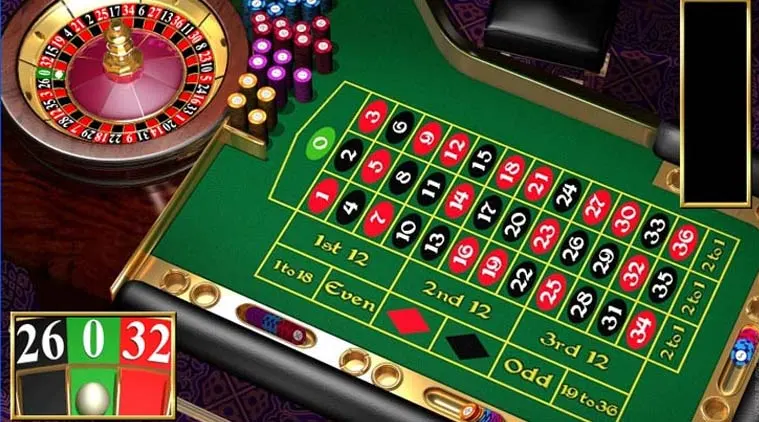
Online communities tend to celebrate spectacular sequences more often than ordinary ones. That selection changes the picture seen by casual readers. An attractive first impression can be genuine without being sufficient. Design quality and operational clarity answer different questions, and neither one automatically proves the other. Comparing them separately helps preserve enjoyment while preventing overstated conclusions.
Screenshots of large wins circulate widely while routine losses receive little attention. Consider the missing sample before treating an anecdote as typical. This is also a good moment to distinguish a personal preference from a general quality standard. Both can matter, but they answer different questions and should be described separately.
Understand small-sample noise
A few observations can differ markedly from a stated long-run average without establishing manipulation or fairness. Both accusations and guarantees require appropriate evidence. Helpful design and good judgment reinforce one another, but they are not identical. A service can make something easy to do without making it advisable. Adults still need to consider personal limits, the consequences of the next action, and whether the decision can be reversed. Avoid judging broad statistical claims using only personal experience.
A player concludes a system is reliable after a brief run that happened to go well. It is reasonable for different people to reach different preferences after the same review. Clear information allows those differences without requiring either person to overlook important evidence.
Do not escalate after a loss
Changing the amount at risk cannot make a random process owe a favorable outcome. A larger commitment increases exposure rather than repairing probability. The language around a feature often guides attention toward its most attractive use. A balanced reading considers the routine case, the unfavorable case, and what happens when something does not proceed as planned. Those scenarios produce a clearer picture than the ideal outcome alone.
An adult doubles a planned amount to compensate for a previous setback. Consider how the same issue would look to a first-time visitor. A process that relies on unspoken habits may be familiar to regular users yet remain difficult to understand or navigate independently. Keep spending boundaries separate from any sequence of results.
Choose knowledge over superstition
Rituals and memorable patterns can be entertaining traditions, but they should not become assumptions about control of an uncertain outcome. The strongest habits are simple enough to repeat. A brief pause to review conditions, a quick check of a setting, or a note about an unresolved question can be more effective than a complex system that people abandon after one attempt.
Someone believes the time of day changes a game’s odds despite no evidence. Look for a clear mechanism and credible information before accepting such claims. The broader benefit is a sense of control. People can leave, compare alternatives, or ask for help without feeling that the interface has already made the decision for them.
Conclusion
The useful conclusion is not that every gaming system is fair or that every result is random. It is that a person assessing b52 club should demand appropriate evidence for those claims and should never treat a streak as a reason to risk more money. Probability describes uncertainty; it does not offer a shortcut that turns recreation into dependable income.