

Introduction
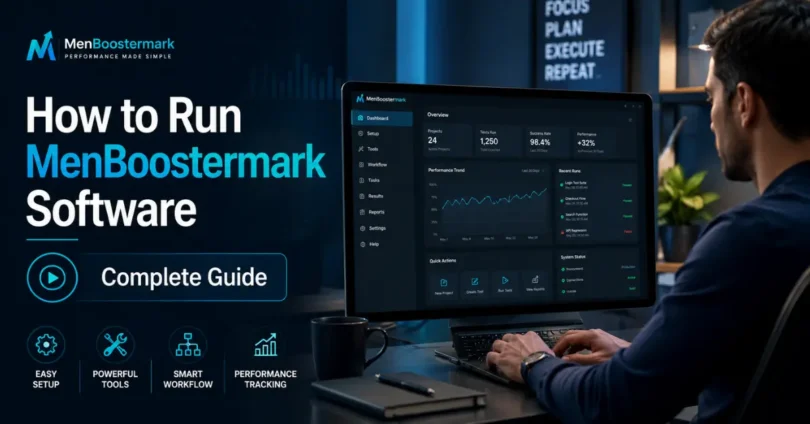
If you’ve recently come across MenBoostermark software and are wondering how to install, launch, and use it correctly, you’re not alone. Many users search for guidance because software setup can sometimes be confusing, especially when documentation is limited or technical instructions are unclear.
This guide explains how to run MenBoostermark software from start to finish. Whether you’re a first-time user or someone troubleshooting installation issues, this article covers everything you need to know. We’ll discuss system requirements, installation steps, common problems, optimization tips, and best practices for getting the most out of the software.
By the end of this guide, you’ll have a clear understanding of the setup process and be able to use the software confidently.
Table of Contents
What Is MenBoostermark Software?
MenBoostermark software is often referenced as a utility or productivity-focused application designed to help users perform specific tasks more efficiently. Depending on the version and source, its features may vary, but users commonly install it to streamline workflows, automate processes, or improve performance-related activities.
Before running any software, it is important to ensure that you have downloaded it from a trusted source and that your device meets the necessary system requirements.
Why Proper Installation Matters
Many software-related problems occur because users skip important installation steps. A proper setup ensures:
- Stable performance
- Better security
- Fewer crashes
- Improved compatibility
- Access to all features
Taking a few extra minutes during installation can save hours of troubleshooting later.
System Requirements Before Installation
Before learning how to run MenBoostermark software, check whether your computer meets the recommended requirements.
Minimum Requirements
- Windows 10 or later
- 4 GB RAM
- Dual-core processor
- 500 MB available storage
- Internet connection for activation
Recommended Requirements
- Windows 11
- 8 GB RAM or more
- SSD storage
- Quad-core processor
- Stable broadband connection
If your system falls below the minimum specifications, you may experience slow performance or installation errors.
Step 1: Download the Software
The first step is obtaining the installation file.
Best Practices
- Download only from official or trusted sources.
- Verify the file size.
- Scan the installer using antivirus software.
- Avoid modified or unofficial versions.
After downloading, locate the setup file in your Downloads folder.
Common file formats include:
- .exe
- .msi
- .zip
If the software arrives as a ZIP file, extract it before proceeding.
Step 2: Install MenBoostermark Software
Once the installer has been downloaded:
Installation Process
- Double-click the installation file.
- Select “Run as Administrator.”
- Accept the license agreement.
- Choose an installation location.
- Click “Install.”
- Wait for installation to complete.
- Restart your computer if prompted.
The installation may take a few minutes depending on your system performance.
Installation Tips
- Close unnecessary applications before installation.
- Temporarily disable software that may interfere with setup.
- Ensure adequate storage space is available.
Step 3: Launch the Software
After installation, the next step is learning how to run MenBoostermark software properly.
Method 1: Desktop Shortcut
Most installations create a desktop icon.
- Locate the MenBoostermark icon.
- Double-click it.
- Wait for the software dashboard to load.
Method 2: Start Menu
- Open the Start Menu.
- Search for MenBoostermark.
- Click the application name.
Method 3: Installation Folder
If shortcuts are missing:
- Open File Explorer.
- Navigate to the installation directory.
- Locate the executable file.
- Double-click to launch.
First-Time Setup Guide
When running the software for the first time, you may encounter a setup wizard.
Typical setup options include:
Account Creation
Some versions require:
- Email registration
- User profile setup
- Activation code entry
Preferences Configuration
Users may configure:
- Language settings
- Notifications
- Performance options
- Update preferences
Software Activation
If activation is required:
- Enter the license key.
- Verify internet connectivity.
- Complete activation.
Successful activation unlocks full functionality.
Understanding the Main Interface
After launching the application, you’ll see the main dashboard.
Common sections include:
Home Dashboard
Provides:
- Status updates
- Quick access tools
- Notifications
Settings Panel
Allows customization of:
- Appearance
- Performance settings
- Security options
- User preferences
Reports or Analytics Section
Depending on the software version, users may access:
- Performance reports
- Activity logs
- Historical data
Tools Menu
Contains core functionality and primary features.
Taking time to explore the interface can improve productivity and reduce learning time.
Common Startup Issues and Solutions

Even after successful installation, some users encounter startup problems.
Software Won’t Open
Possible causes:
- Corrupted installation
- Missing files
- Permission issues
Solutions:
- Restart the computer
- Run as Administrator
- Reinstall the application
Error Messages During Launch
Common fixes include:
- Updating Windows
- Installing required runtime packages
- Verifying installation files
If error codes appear, note them for troubleshooting.
Software Freezes on Startup
Potential causes:
- Low system resources
- Outdated drivers
- Background application conflicts
Try:
- Closing unnecessary programs
- Updating graphics drivers
- Restarting the system
Activation Problems
If activation fails:
- Check internet connectivity
- Verify the license key
- Confirm the software version matches the license
In many cases, re-entering the activation code resolves the issue.
How to Optimize Performance
Running software efficiently requires proper optimization.
Keep the Software Updated
Updates often include:
- Bug fixes
- Security patches
- Performance improvements
Enable automatic updates whenever possible.
Free Up System Resources
Close unused applications to provide:
- More RAM
- Better CPU availability
- Faster response times
Use Recommended Settings
Many users mistakenly enable advanced features they don’t need.
Start with default settings and gradually customize based on your requirements.
Regular Maintenance
Perform routine maintenance such as:
- Disk cleanup
- Driver updates
- System updates
These practices improve overall software performance.
Security Considerations
Whenever installing and running software, security should be a priority.
Download From Trusted Sources
Avoid:
- Cracked versions
- Unofficial mirrors
- Modified installers
These files may contain malware or security vulnerabilities.
Enable Antivirus Protection
Before opening downloaded files:
- Scan installers
- Monitor installation behavior
- Keep antivirus definitions updated
Backup Important Data
Creating backups protects against:
- Installation failures
- System crashes
- Accidental file corruption
A recent backup provides peace of mind during software installation.
Advanced Configuration Options
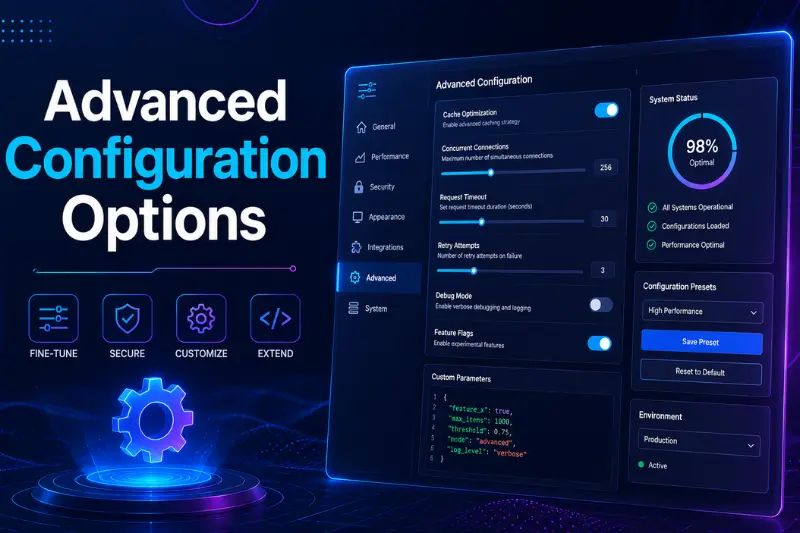
Experienced users may wish to customize the software further.
Advanced settings often include:
Performance Tuning
Adjust:
- Memory allocation
- Processing priorities
- Cache management
Automation Features
Some versions may support:
- Scheduled tasks
- Automated workflows
- Background operations
User Profiles
Create multiple profiles to separate:
- Projects
- Preferences
- Workflow configurations
Always document major configuration changes so they can be reversed if necessary.
Troubleshooting Checklist
If problems occur, work through this checklist:
Verify Installation
Confirm all files were installed correctly.
Restart the System
Many temporary issues disappear after a reboot.
Check for Updates
Outdated versions frequently cause compatibility issues.
Review System Requirements
Ensure your hardware meets software demands.
Reinstall the Application
A clean reinstall often resolves persistent problems.
Consult Official Documentation
Vendor documentation may contain solutions for specific error messages.
Best Practices for Daily Use
To maintain smooth operation:
- Update regularly
- Back up important data
- Monitor system performance
- Use trusted downloads
- Review settings periodically
- Keep security software active
Developing these habits reduces technical issues and improves overall efficiency.
Frequently Asked Questions
Is MenBoostermark software easy to install?
Yes. Most users can complete installation within a few minutes by following the setup wizard.
Do I need administrator privileges?
In many cases, administrator access is recommended to ensure proper installation and operation.
Why does the software run slowly?
Performance issues often result from insufficient RAM, outdated drivers, or too many background applications.
Can I reinstall the software if something goes wrong?
Yes. Uninstalling and performing a clean installation is a common troubleshooting method.
How often should I update the software?
Install updates whenever they become available to benefit from improvements and security fixes.
Conclusion
Understanding how to run MenBoostermark software doesn’t have to be complicated. By following the correct installation process, verifying system compatibility, and applying best practices, you can get the software running smoothly and avoid common issues.
Start by downloading the installer from a trusted source, complete the installation carefully, and configure the software according to your needs. If problems arise, use the troubleshooting techniques outlined in this guide to identify and resolve them quickly.
With proper setup and regular maintenance, MenBoostermark software can deliver a reliable and efficient user experience while helping you accomplish your goals more effectively.
